Pouch Strength or Pouch Size: Choosing Between Strong Nicotine Pouches and Smaller Formats
Nicotine pouches can look deceptively similar. A small sachet and a larger one may sit side by side, with bold labels and strength numbers that invite a quick comparison. In practice, strength and size do different jobs. Strength tells you how much nicotine is in the pouch, while size shapes how that nicotine is held, how the pouch feels in the mouth, and how noticeable it is during use.
For adults comparing strong nicotine pouches with milder or smaller options, the useful question is not simply which one is strongest. It is which format matches tolerance, setting, comfort, and the way a person prefers to use pouches. A higher number is not automatically the best choice, and a compact pouch is not always the easiest starting point.
What strength actually describes
Strength usually refers to the nicotine content in each pouch, often shown in milligrams or through a strength rating. That figure matters because it gives a rough indication of the nicotine load being placed under the lip. A pouch with more nicotine can feel more intense, particularly for someone with low tolerance or for someone who is new to the format.
The figure does not describe every part of the experience. Nicotine release can vary with the pouch material, moisture level, flavour, and how long the pouch is kept in place. Two pouches with the same stated strength may feel different in use. This is why strength is best treated as a starting reference, not a promise of an identical effect.
Tolerance also plays a part. Someone who regularly uses nicotine may find stronger pouches manageable, while someone who uses it rarely may find the same pouch harsh or uncomfortable. Tolerance can change over time too, so a product that felt suitable once may later feel too mild or too strong. Paying attention to the body's response is more useful than chasing the highest number on the label.
What pouch size changes
Pouch size affects comfort and discretion more than people expect. A slim pouch sits flatter under the lip and may feel less bulky during conversation. A mini pouch is even smaller, which can suit someone who wants a low profile and a shorter, more contained experience. Larger pouches may feel more substantial, but they can also be more noticeable, especially if worn for long periods.
Size can influence how a pouch sits against the gum. A pouch that is too large for the user's mouth can press against the cheek or lip, causing irritation even when the nicotine content is not the problem. A smaller pouch may feel easier, but if it is strong for its size, the intensity can still be high. This is where strength and size overlap without becoming the same thing.
Flavour perception can also shift with size. A larger pouch may hold more material and feel more full, while a smaller one may be easier to forget about once in place. That can be useful for work, travel, or social settings where a discreet format is preferred. On the other hand, a person who likes a clear, steady presence may find a very small pouch less satisfying.
Strong nicotine pouches and who they suit
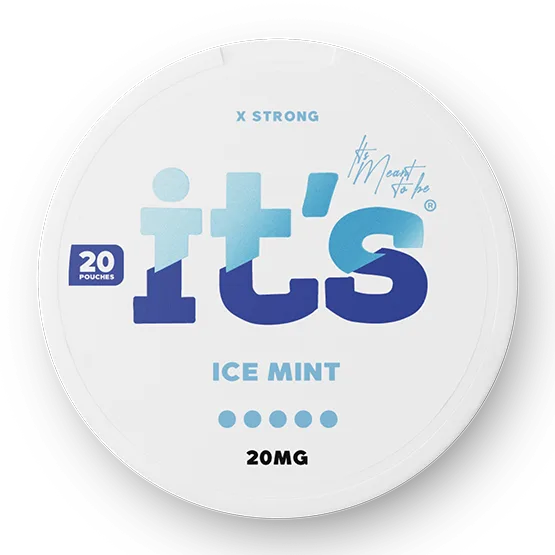
Strong nicotine pouches tend to suit adults who already know how nicotine feels for them and prefer a more pronounced option. They may be useful when a user wants a smaller pouch with a higher nicotine content, or when a familiar mild option no longer feels adequate because tolerance has shifted. The appeal is often efficiency: a compact format with a noticeable effect.
The trade-off is that strong pouches leave less room for error. If placed for too long, or used alongside other nicotine products, they can produce unpleasant effects such as nausea, dizziness, headache, or irritation under the lip. New users should be cautious with high strength options, and anyone who feels unwell after using nicotine should stop and reassess rather than trying to push through.
Strong options can also be harder to judge by size alone. A slim pouch may look gentle because it is narrow, yet carry a high nicotine content. That mismatch can catch people out. Checking the strength rating matters more than judging the pouch by its shape or colour.
When smaller or milder formats make more sense
Smaller formats often suit people who prioritise comfort, subtlety, or a shorter session. A mini pouch can be a practical choice when the aim is a modest option that is easy to position. A slim pouch may suit someone who wants something less bulky but still wants a range of strengths to choose from. These formats are not automatically mild, but they are often associated with a more controlled feel when the nicotine content is lower.
For someone stepping down from stronger pouches, moving to a lower strength can be more useful than simply changing size. A smaller pouch with the same nicotine content may still feel intense. A larger pouch with less nicotine may feel gentler, though it could be more noticeable. The right balance depends on what the user wants to change: the nicotine effect, the mouthfeel, or the visual profile.
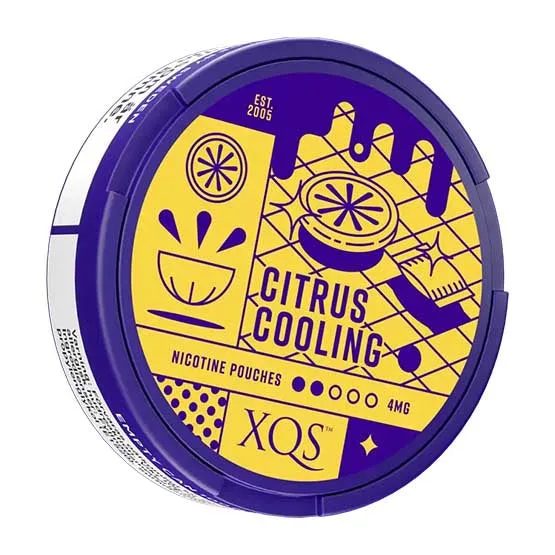
It can help to choose a suitable pouch strength based on the context of use. A quiet evening at home, a long drive, a workday, or a social event may each call for a different approach. Strong pouches may feel excessive in settings where comfort and discretion matter most. Milder pouches may feel frustrating for someone seeking a firmer nicotine experience.
Reading labels without overcomplicating them
Product labels can include nicotine content, pouch count, flavour, size descriptors, and strength markers. The most useful details for comparison are usually the nicotine content per pouch and the stated strength category. Milligrams give a direct figure, while a strength rating can help place a product within a range. If both are shown, they can be read together.
Flavour is worth considering as well, though it can be misleading. A cool mint or sharp fruit flavour may feel more intense than a smoother flavour, even at the same nicotine content. That does not mean the nicotine is higher. It means sensation and flavour can shape the perceived strength. For sensitive users, a milder flavour may make a pouch feel easier to manage.
Anyone comparing products online should also check whether the pouch size is described clearly. Terms such as slim pouch and mini pouch can suggest the physical format, but they do not guarantee a particular strength. A careful comparison looks at both pieces of information rather than relying on one word on the pack.
A practical way to narrow the choice
A sensible approach is to start with tolerance, then comfort, then setting. If nicotine tolerance is low, a lower strength is usually more sensible than a high one, even if the pouch is small. If comfort under the lip is the main concern, a slimmer or mini format may be preferable. If the aim is a stronger effect from a discreet pouch, strong nicotine pouches may be more relevant, provided the chosen strength is realistic for the user.
Keeping a simple record can help. Note the strength, pouch size, flavour, and how the pouch felt after a reasonable period. Avoid stacking multiple new variables at once, because that makes it harder to know what caused a change. If a pouch feels uncomfortable, the cause might be nicotine level, flavour intensity, fit, or time in place. Changing one detail at a time makes the comparison clearer.
It also helps to treat nicotine as something to use with care. Pouches are for adults aged 18 and over. They are not a harmless accessory, and they can be unsuitable for people who do not already use nicotine. Keeping pouches away from children and pets is essential, as nicotine can be harmful if swallowed or misused.
Making the comparison work
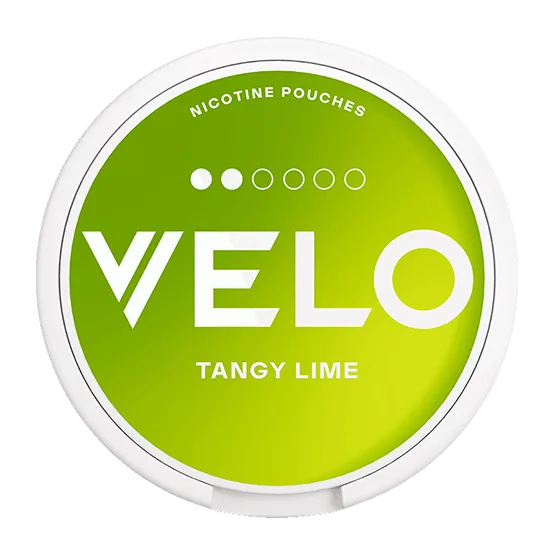
The choice between strength and size comes down to what a person is trying to manage. Strength shapes the nicotine load. Size shapes the feel, visibility, and fit. Neither one gives the full answer on its own, and the best option is often the one that sits comfortably within a person's existing tolerance rather than the one that looks most impressive on paper.
For adults who want a more intense option, strong nicotine pouches can be a focused choice, especially in slim or mini formats. For adults who want restraint, comfort, or a lower profile, smaller and milder pouches may be easier to live with. Choosing a suitable pouch strength is part of that decision, but it should sit alongside pouch size, flavour, and the setting in which the pouch will be used.
A careful comparison does not need to be complicated. Read the nicotine content, consider the physical format, and be honest about tolerance. When those details line up, the choice tends to feel more predictable and more comfortable than picking a pouch by label alone.